




RADIO-SHUTTLE RACK
High Density Semi-Automated Pallet Racking System
PRODUCT INTRODUCTION
Radio-Shuttle Rack
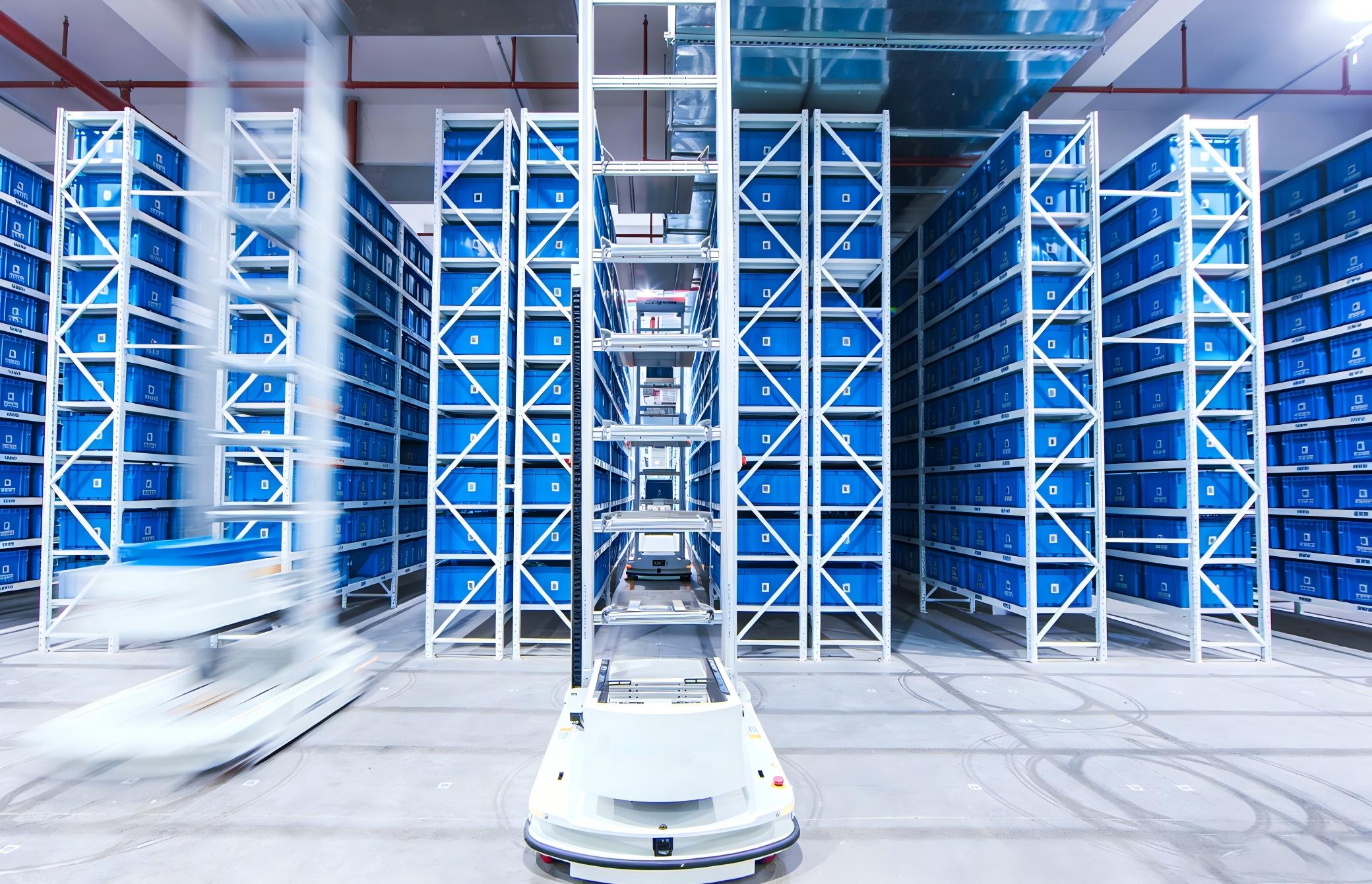
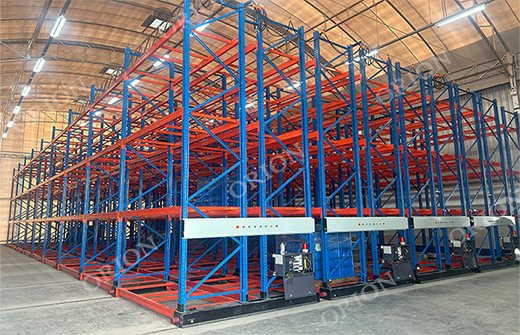
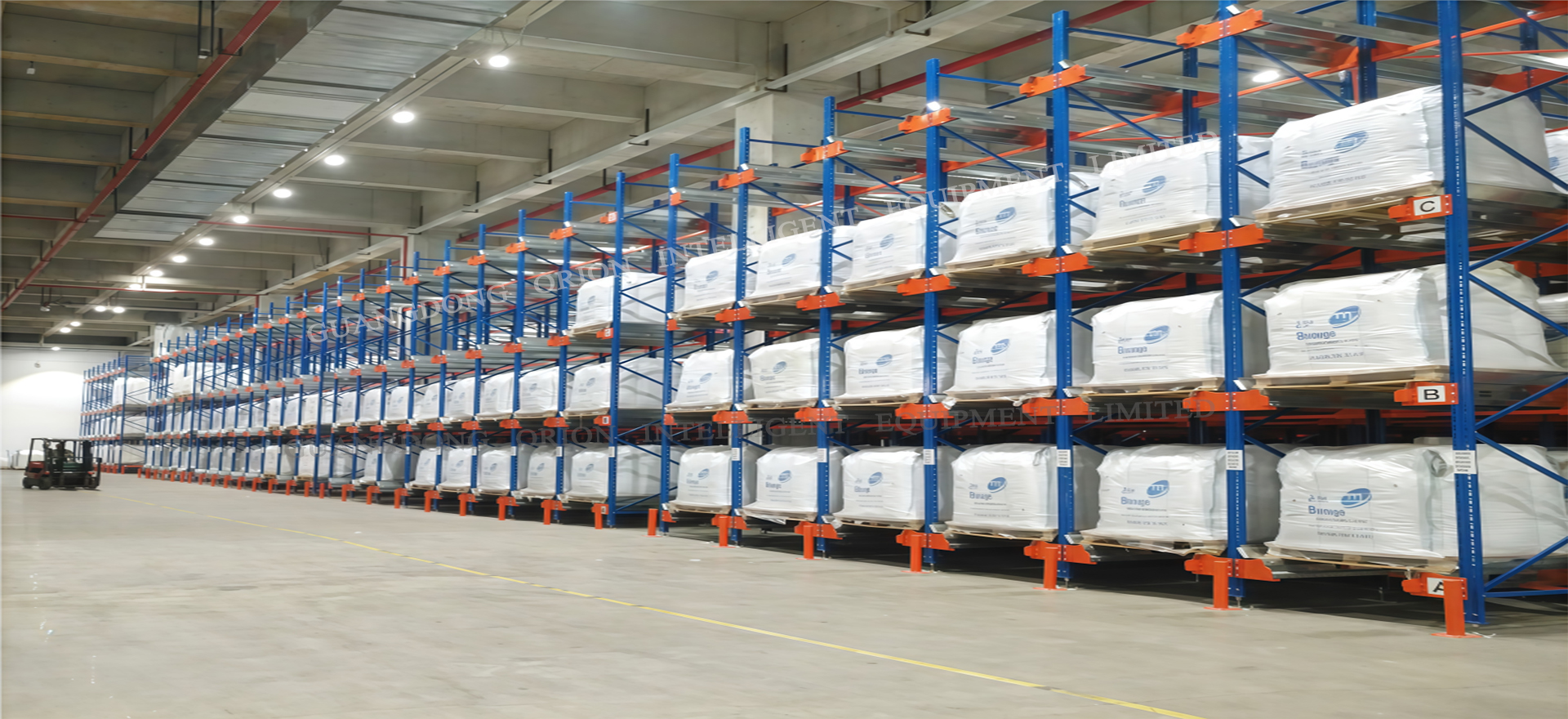
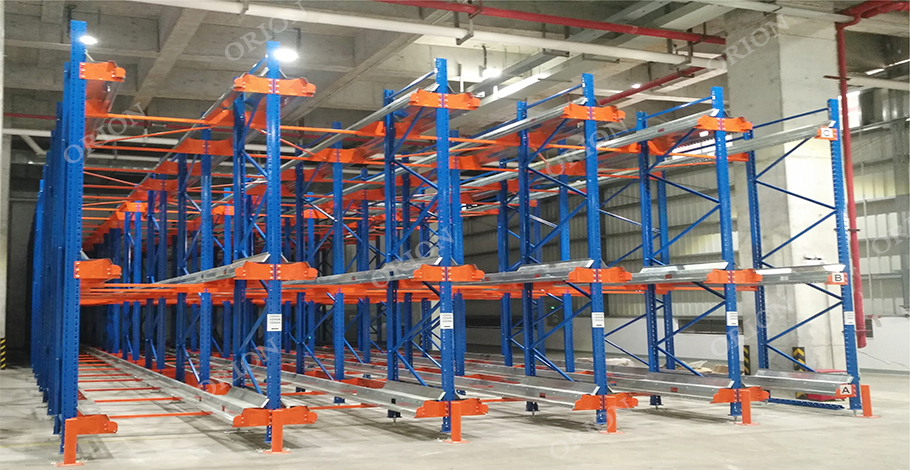
Radio-Shuttle Racking is a semi-automated high-density pallet storage system. It consists of three core components: pallet racks, radio-controlled shuttle carts and forklifts. The system uses shuttle carts to transport pallets along rack guide rails for deep-lane storage.
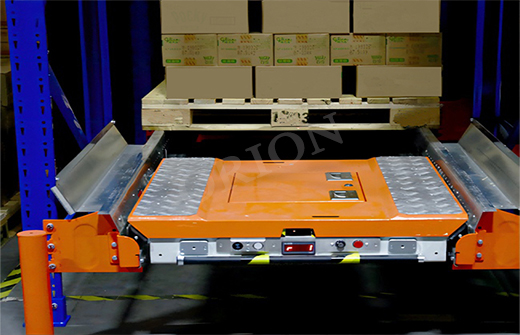
Forklifts place pallets at the rack entry. The remote-controlled shuttle cart moves pallets inside the storage lanes. Forklifts can transfer the shuttle cart to different rack lanes as needed. The required quantity of shuttle carts depends on lane depth, total inventory, shipment volume and order frequency.
Compared with drive-in rack, radio shuttle rack delivers higher safety performance. Compared with conventional selective pallet rack, it reduces the number of forklift access aisles to achieve maximum dense storage. It supports both FIFO and LIFO inventory management and is widely used for bulk pallet goods and cold storage warehouses.
DESIGN FACTORS
| Warehouse space planning: | Evaluate warehouse height, floor load-bearing capacity and fire access passages for shuttle rack layout. |
| Cargo characteristics: | Confirm cargo dimensions, pallet weight and inventory turnover rate to match the radio shuttle rack system. |
| Shelf structure: | Custom design rack posts, beams and shuttle guide rails to meet load requirements and guarantee overall structural stability. |
| Shuttle selection: | Select suitable radio shuttle carts by checking load capacity,travelling speed,battery life and working environment. |
| Access mode: | FIFO or FILO; |
| Channel: | Determine the forklift aisle width and operation direction based on on-site warehouse workflow. |
| Safety: | Adopt anti-collision protection, emergency stop function and seismic design for safe semi-automated warehouse operation. |
| System integration: | Seamlessly integrate with WMS (Warehouse Management System) to realize intelligent pallet inventory management. |
| Cost optimization: | Reduce long-term operating costs by optimizing design and improving system efficiency. |
| Maintenance and scalability: | Modular structure for easy maintenance and flexible later expansion to adjust rack layout as business grows. |
ADVANTAGES OF RADIO-SHUTTLE RACKING
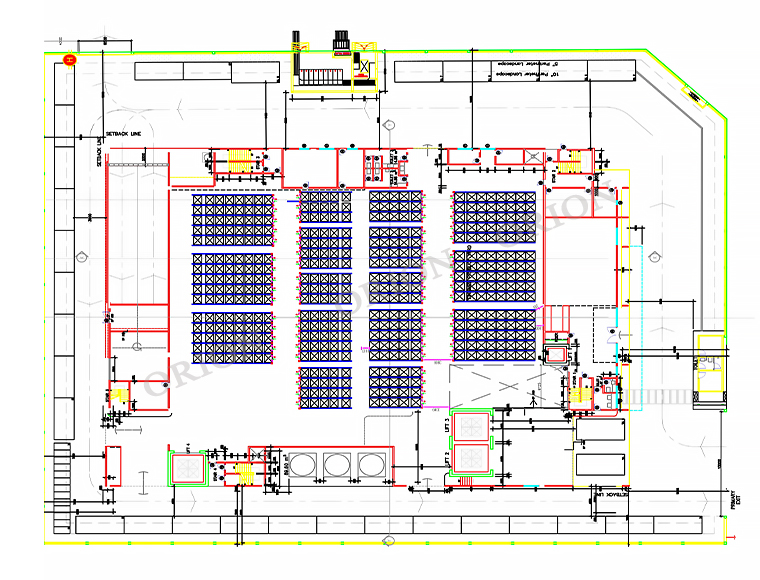
- High-density storage: High warehouse utilization;
- High work efficiency: Greatly reduce operation waiting time;
- Flexible operation mode: The access mode of goods can be first-in-first-out or first-in-last-out;
- High safety factor: Reduce the collision between shelves and forklifts, improve safety productivity.
RADIO-SHUTTLE RACKING APPLICATIONS
The radio-shuttle rack is especially suitable for more quantity but less sample industry, such as food, beverage, cold chain, medicine, chemical, daily chemical, tobacco.
Daily necessities industry
Less sample, more quantity.
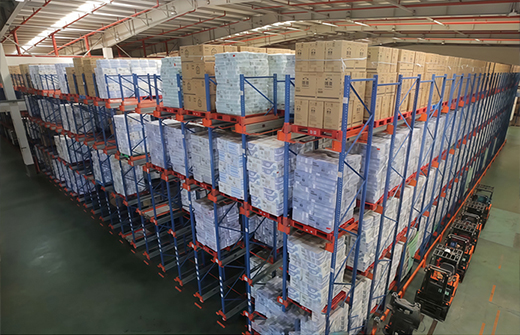
Food & beverage
The operation mode is flexible, which can be either FIFO or FILO to meet the needs of food warehouses. Can be placed according to the date, classification, easy access to shipment.
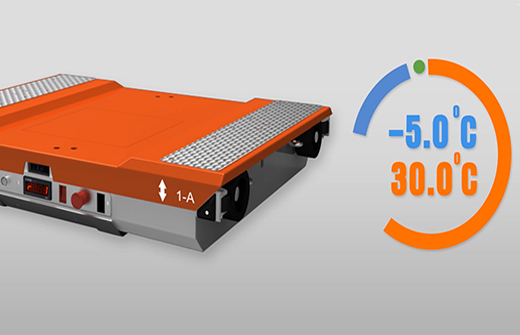
Cold storage
The shuttle can operate normally in the temperature range of -5℃~30℃. Reduce working time in low temperature environment, improve work efficiency and safety.
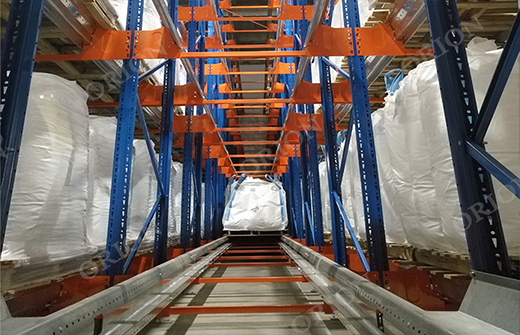
Chemical industry
Less sample, more quantity.
RADIO-SHUTTLE RACK COMPONENTS
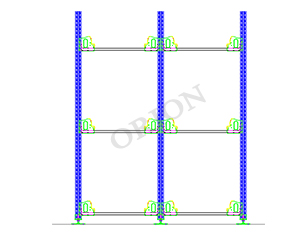
Posts and beams
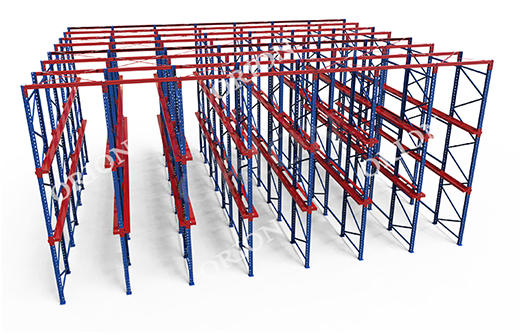
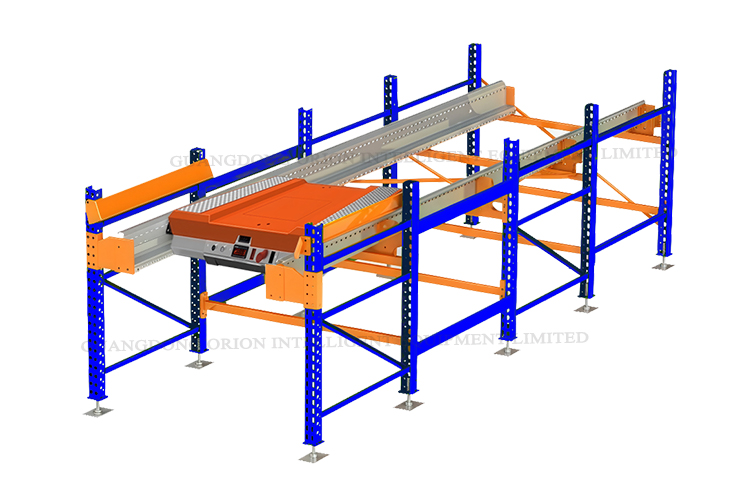
The shelves consist of beams, posts and rails that form a storage channel for shuttle and pallet storage.
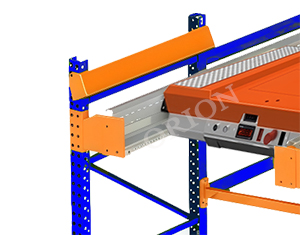
Horn type rail
Easy to take the shuttle, prevent hanging.
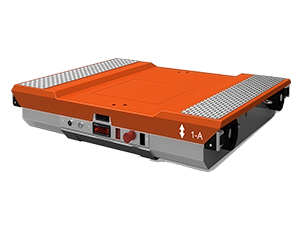
Shuttle
Carry the goods on the lane.
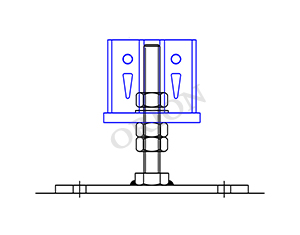
Adjustable footing
Adjust the ground level with screw to ensure the smooth running of the shuttle. Compensate for the level problems caused by land subsidence.
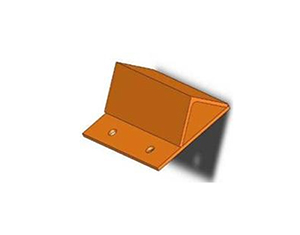
Forklift limiting plate
Prevent forklift from hitting the rack.
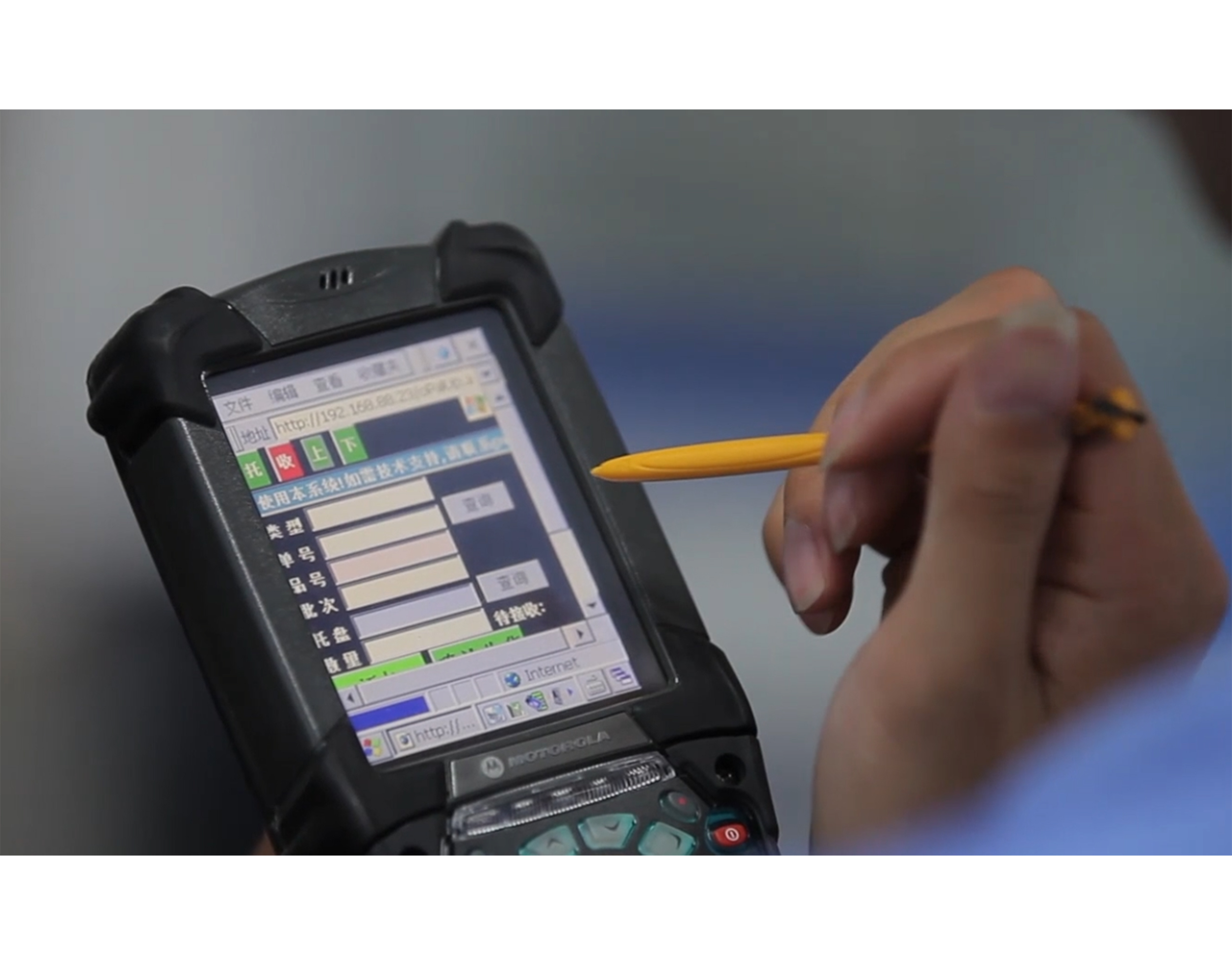
WMS
The radio-shuttle racking system is combined with the WMS warehouse management system to achieve effective batch management.
PACKAGING AND TRANSPORTATION
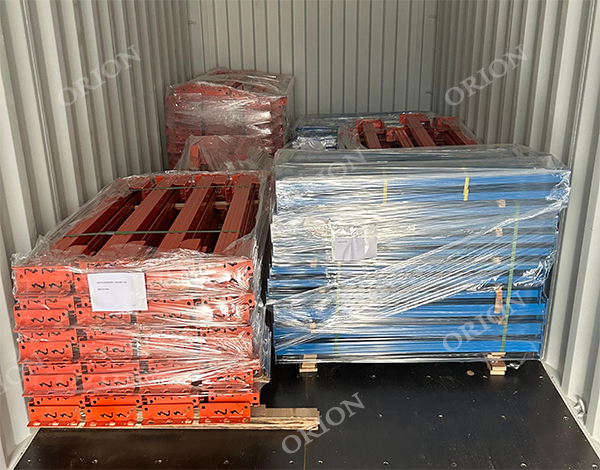
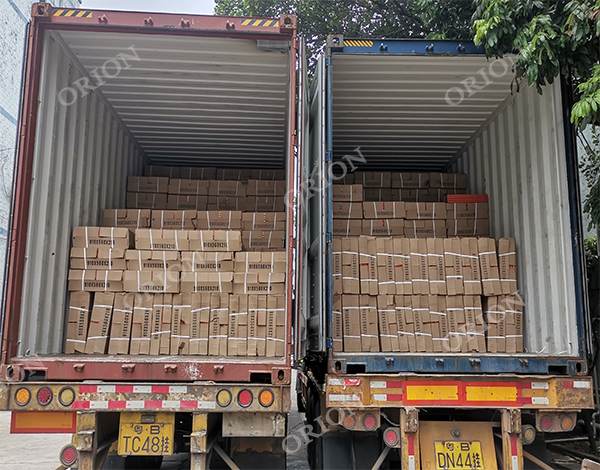
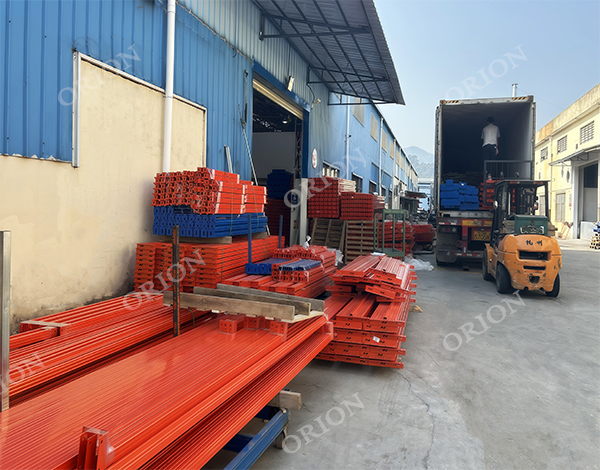
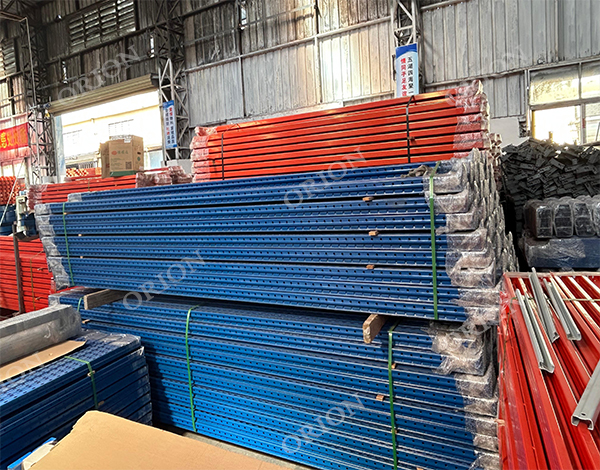
In order to ensure product quality and safety, different products have different packaging methods, commonly used wrapping film, bubble bag, carton, wood frame.
FAQS
Radio-shuttle rack is a semi-automated high-density pallet storage system. It is designed for bulk pallet goods with fewer SKU varieties to maximize warehouse storage capacity.
It delivers high-density pallet storage, semi-automated pallet handling, lower labor cost and improved warehouse safety. Forklifts do not need to enter deep storage lanes.
Widely applied in manufacturing, logistics & warehousing, food and beverage, cold chain and cold storage warehouses, bulk raw material storage and distribution centers.
Pallet storage and retrieval are completed by radio-controlled shuttle carts running on rack guide rails. This pallet shuttle system supports two inventory modes: FIFO and LIFO .
We install rack frame protectors at the base of uprights. The shuttle is equipped with emergency stop, anti-collision sensors and position detection to stop operation immediately under abnormal conditions. The rack also adopts seismic resistant structure.
It requires higher initial investment, including pallet racks, shuttle carts and supporting warehouse management systems. It has limited applicability and is mainly recommended for high-volume, low-SKU pallet storage projects.
Regularly inspect the stability of rack uprights, beams and shuttle guide rails. Keep the rails and shuttle carts clean. Check for loose or damaged components and perform timely repair or replacement to keep the semi-automated racking running reliably.